
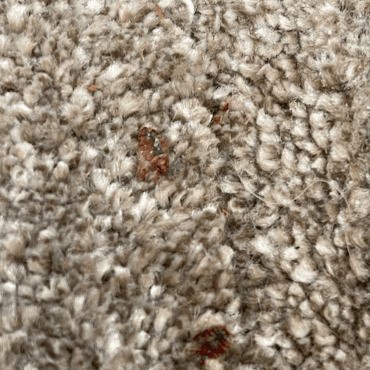
Bed bugs are small, flat insects that feed on the blood of humans and animals, usually at night. They are often found in beds, furniture, and soft furnishings, and can be difficult to spot due to their size and ability to hide in tiny cracks and crevices. Bed bug bites can cause itching, irritation, and sleepless nights, making quick and effective treatment essential.
Bed bugs can spread quickly through clothing, luggage, and second-hand furniture. They are not a sign of poor hygiene, but once they enter a property, they can be hard to remove without professional help. Early signs include small blood spots on bedding, shed skins, and a musty odour near sleeping areas.
How to Recognise Bed Bugs
Adult bed bugs are small, flat, oval insects about 4 to 5mm long, mahogany brown and turning redder after they feed. They are mostly active at night, feeding for five minutes or more, and spend the day in cracks and crevices close to the bed, in mattress seams, the joints of bed frames and headboards, and even behind loose wallpaper.
Bites are often in a line or a group on skin left exposed while sleeping. On white skin they usually look red or pink, and on black or brown skin they may look brown, red or purple and be harder to see. Alongside the bites, look for spots of blood on sheets and small brown spots of droppings on bedding, the mattress or nearby furniture.
Why Bed Bugs Are Hard to Clear
Bed bugs are found in clean homes as well as dirty ones, so an infestation says nothing about how a home is kept. They usually arrive with people, in luggage after a stay away or in second-hand furniture, and hotels and guest houses carry the highest risk because of the number of travellers passing through. They can also survive for more than a year without feeding, so leaving a room empty will not starve them out. That staying power is covered in more detail in our guide to how long bed bugs can live.
The NHS says bed bugs are very difficult to get rid of yourself and that home measures are unlikely to clear them completely. Washing bedding and clothes at 60°C and tumble drying on a hot setting for at least 30 minutes helps alongside a professional treatment, as does keeping clutter away from the bed so there are fewer places for them to hide.
Bed Bugs in Rented Homes and Holiday Lets
In a rented home, who arranges the treatment depends on how the bed bugs got there. Shelter's guide to pests in rented homes names bed bugs first among the pests it covers. It says a landlord should sort out pests that were already there when the tenant moved in, and must deal with an infestation caused by a repair they are responsible for, while a tenant could be responsible if they do something that encourages pests. Shelter also says tenants can ask the council's environmental health team to inspect, and the council could tell the landlord to fix the problem.
Because bed bugs travel in luggage, any property with a steady turnover of guests, such as a holiday let or guest house, is worth checking between stays. Our guide on how to tell if you have bed bugs shows what to look for, and landlords can read more in our guide on whether landlords can use pest control.
Bed Bug Control Process
We follow a clear, professional process to identify and eliminate bed bugs safely and effectively.
01 Bed Bug Control Inspection
Our pest control technician will inspect your property to locate areas of infestation. We check mattresses, bed frames, furniture, and nearby skirting boards for live insects, eggs, and other signs. Once the extent of the infestation is confirmed, we create a tailored treatment plan to suit your property.
02 Bed Bug Control Treatment
We use advanced heat and chemical treatments designed to kill bed bugs at all life stages, including eggs and larvae. Treatments are applied carefully to affected areas such as beds, furniture, and carpets. Depending on the severity of the problem, more than one visit may be needed to clear the infestation completely. Our goal is to remove the infestation fully and prevent it from returning.
Preventing Future Bed Bug Problems
Bed bugs can be persistent, but certain steps can reduce the risk of re-infestation.
- Wash bedding, curtains, and clothing at high temperatures.
- Vacuum mattresses, bed frames, and carpets regularly.
- Avoid bringing second-hand furniture into your home without inspection.
- Keep luggage off the floor in hotels or when travelling.
- Inspect beds and furniture regularly, especially after travel.
By following these simple steps alongside professional treatment, you can keep your home free from bed bugs and avoid future infestations.