
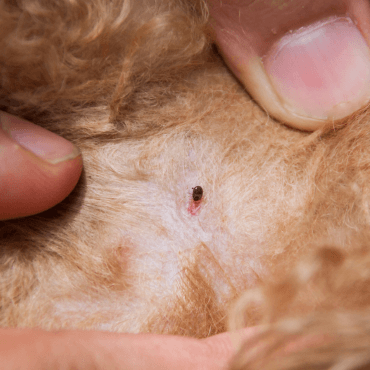
Fleas are a common pest that can quickly spread through homes, especially those with pets. These tiny insects feed on the blood of animals and humans, leaving behind itchy bites and causing discomfort. Because of their small size and ability to jump long distances, fleas are difficult to spot until an infestation has already taken hold.
They often hide in carpets, rugs, bedding, and upholstered furniture. Even if pets are treated, eggs and larvae can remain in the home and reappear weeks later. Without professional control, infestations can persist and become hard to get rid of.
Signs of Fleas in Your Home
Bites are usually the first thing people notice. Flea bites are small, itchy red spots with a puncture mark in the centre, often in clusters or short lines, and most often around the ankles and lower legs. A pet that is scratching or grooming more than usual is another early sign, as are tiny black specks of flea dirt in pet bedding and on the floor where the animal sleeps.
Fleas are common on UK pets. When the University of Bristol checked 812 cats and 662 dogs at 326 veterinary practices, it found fleas on 28.1 per cent of the cats and 14.4 per cent of the dogs.
Why Flea Problems Last
The adult fleas you see are only part of the problem. Eggs fall from pets into carpets, bedding and the gaps between floorboards, and the larvae develop there before spinning a cocoon. Inside the cocoon a flea can wait for many months, coming out when it senses the vibration, warmth and breath of a person or animal nearby. That is why a house that has stood empty can come alive with fleas soon after someone moves in, and why a few bites can carry on for a short while after treatment as the last fleas emerge and are killed. It is also why fleas keep coming back when only the pet is treated.
Landlords can book a treatment between tenancies so the next tenant does not move into the problem, and we explain how that works in our guide to clearing fleas after a tenant moves out.
How Long Flea Treatment Takes to Work
Seeing a few fleas for a week or two after a treatment is normal, and it does not mean the treatment has failed. Hastings Borough Council's flea advice says fleas can reappear 10 to 14 days after treatment, because eggs already in the home carry on hatching, and that flea pupae can stay dormant for up to nine months before hatching when someone walks into an empty property. The same council suggests getting back in touch if fleas are still about after four weeks.
Follow the aftercare advice you are given on when to vacuum and wash floors again, so the treatment has time to work on the fleas as they emerge. Treating every pet in the home at the same time with a vet-approved product matters just as much, because a pet that is missed can bring a fresh supply of eggs back into the house.
Flea Control Process
We use a proven process to identify, treat, and prevent flea infestations.
01 Flea Control Inspection
A qualified pest control technician will inspect your property to confirm the presence of fleas, identify hotspots, and assess the extent of the problem. We also look at contributing factors, such as untreated pets or areas where fleas may be breeding. Based on the findings, we provide a clear treatment plan tailored to your property.
02 Flea Control Treatment
Our treatments target both adult fleas and their eggs to ensure the full lifecycle is broken. We use professional-grade sprays and insect growth regulators that penetrate carpets, cracks, and furniture where fleas hide. For lasting results, we advise treating pets at the same time using vet-approved products. This combined approach helps to stop re-infestation.
Preventing Future Flea Problems
After treatment, taking steps to prevent fleas returning is essential. Some practical measures can help.
- Regularly vacuum carpets, rugs, and upholstered furniture.
- Wash pet bedding and household fabrics on a hot wash.
- Treat pets consistently with vet-approved flea control products.
- Keep outdoor areas tidy, especially where pets rest or play.
- Seal gaps and cracks where fleas may hide or lay eggs.
With these measures, alongside professional flea treatment, you can keep your home and pets free from fleas all year round.