
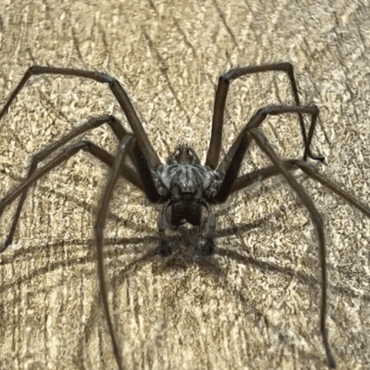
Spiders are common in homes and businesses across the UK. Although most species are harmless and even help by controlling other insects, some people find their presence distressing. In certain cases, such as with the false widow spider, bites can cause discomfort and allergic reactions.
Spiders often enter buildings in search of shelter, warmth, or food. They are commonly found in corners, basements, lofts, and garages, as well as around windows and doors. Once inside, they can quickly multiply, particularly if there is a good supply of insects for them to feed on.
False Widow Spiders
The false widow is the spider people ask about most. The noble false widow was first recorded in Britain in the 1870s, probably arriving as a stowaway from Madeira and the Canary Islands, and since the 1980s it has established itself across most of the southern counties. It has a shiny, dark, rounded body with pale markings, grows to around 7 to 14mm, and indoors it favours kitchens and conservatories.
Bites are uncommon and usually happen when a spider is trapped against the skin, in clothing or bedding for example. The Natural History Museum says the usual symptom is pain around the bite that rarely lasts more than a day and is often no worse than a wasp sting. Keep any bite clean, since the worst reactions reported are put down to infection of the wound rather than the bite itself.
Spider Season
Spiders become far more noticeable in autumn. The Natural History Museum explains that this is when the males of many species reach adulthood and wander about looking for females, which is why they suddenly appear crossing floors and walls. They are not bigger and there are not really more of them, and doors and windows left open in warm autumn weather simply let more of the wandering males in. Spiders follow their food, so a building with plenty of flying insects around it tends to have more spiders as well, which is why proofing and reducing outdoor lighting near doors both make a difference. If you are wondering whether one visit will solve a spider problem, that guide sets out what to expect.
Spider Control Process
Our spider control process focuses on removing current infestations and reducing the likelihood of future ones.
01 Spider Control Inspection
A trained pest control technician will inspect your property to identify the species, areas of activity, and any entry points. We also look at factors that may be attracting spiders, such as high insect populations or gaps in walls and windows. From this, we create a tailored treatment plan to suit your needs.
02 Spider Control Treatment
We use safe and effective treatments to remove spiders from your property. This can include targeted insecticidal sprays, web removal, and advice on ongoing prevention. Our methods ensure that both adult spiders and hidden egg sacs are addressed, helping to break the breeding cycle and keep your home or business spider-free.
Preventing Future Spider Problems
Once spiders are removed, prevention measures help to stop them returning. Simple steps include the following.
- Seal cracks and gaps around windows, doors, and walls.
- Keep storage areas tidy and reduce clutter where spiders can hide.
- Regularly vacuum corners, ceilings, and behind furniture to remove webs and egg sacs.
- Reduce outdoor lighting near entrances, as it attracts flying insects that spiders feed on.
- Fit tight screens to vents and windows where possible.
By following these practical steps alongside professional treatment, you can maintain a clean, safe, and spider-free environment.