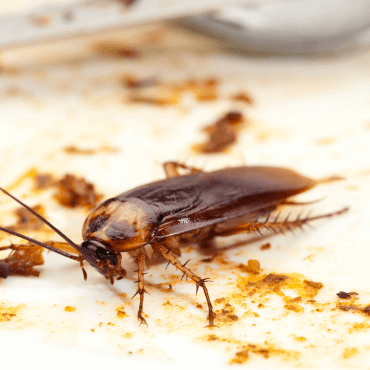
Cockroaches are among the most resilient and unpleasant pests to find in any property. They spread quickly, contaminate food, and can carry bacteria that cause illnesses such as salmonella and E. coli. Because they are nocturnal and prefer dark, warm places, infestations often go unnoticed until they become severe.
These pests can enter through drains, cracks, or gaps in walls and floors, and once inside, they hide behind appliances, under sinks, and inside cupboards. Cockroaches reproduce rapidly, and even a small number can grow into a large infestation within weeks if not treated properly.
German and Oriental Cockroaches
Two species turn up in UK buildings, and Gravesham Borough Council's guidance notes that neither is native. The German cockroach is the smaller, usually 13 to 16mm long, tan to brown with two dark stripes running back from its head. It lives close to food and warmth, in kitchens, behind fridges and cookers and inside cupboards. The Oriental cockroach is larger, up to around 29mm, dark brown and glossy, and prefers damp, dark places such as drains, sewers and basements. The same guidance advises sealing cracks and crevices, especially around drains and pipework, to keep them out. Knowing which one you have matters, because they hide in different places.
Cockroaches hide by day, so an infested kitchen can look clear in daylight. The Food Standards Agency lists the signs as eggs and egg cases, moulted skins, droppings and the insects themselves, and Gravesham's guidance adds that German cockroaches can give off an unpleasant smell when disturbed. Even a single cockroach is worth taking seriously for that reason.
Cockroaches in Food Businesses
For restaurants, takeaways, cafes, hotels and food shops, cockroaches are more than unpleasant. Food businesses must have proper pest control in place, and an environmental health officer who finds evidence of cockroaches can act on it, from advice and improvement notices up to closing the premises straight away with a hygiene emergency prohibition notice where there is an imminent risk to health.
The Food Standards Agency's Safer Food Better Business pest control guidance asks food businesses to check their premises regularly for signs of pests, to check deliveries thoroughly because pests can come in with them, and to call a pest contractor immediately at the first sign of an infestation. We cover commercial premises as well as homes, and our guide to regular pest control for restaurants explains how ongoing visits work.
Cockroach Control Process
Our cockroach control process is designed to identify the infestation and remove it completely.
01 Cockroach Control Inspection
A pest control technician will carry out a full inspection of your property to locate signs of activity, such as droppings, shed skins, or egg cases. We identify the cockroach species and assess the level of infestation. This helps us choose the most effective treatment method for your property.
02 Cockroach Control Treatment
We use professional-grade treatments that target both visible and hidden cockroaches. Gels, sprays, or bait stations are applied in key areas to eliminate cockroaches at the source. These treatments work by contaminating feeding sites and breeding areas, ensuring long-term results. In more severe cases, follow-up visits may be recommended to clear the infestation.
Preventing Future Cockroach Problems
Cockroaches thrive in warm, damp environments with easy access to food. After treatment, there are several steps you can take to prevent them from returning.
- Keep kitchens and food storage areas clean and dry.
- Store food in sealed containers and clear up spills immediately.
- Empty bins regularly and ensure lids are tightly closed.
- Seal cracks, gaps, and openings around pipes, drains, and skirting boards.
- Repair any leaks under sinks or behind appliances to remove moisture sources.
By keeping your property clean and well-maintained, and by acting quickly at the first sign of activity, you can reduce the risk of cockroaches returning.